Customer Service
Telefon: +44 20 7183 8739
Program: Mon–Fri, 9:00–17:00
Email: office@zylarisgroup.com

Your website gets traffic but no leads? The problem isn’t design—it’s the missing system behind it. Here’s what actually fixes it.
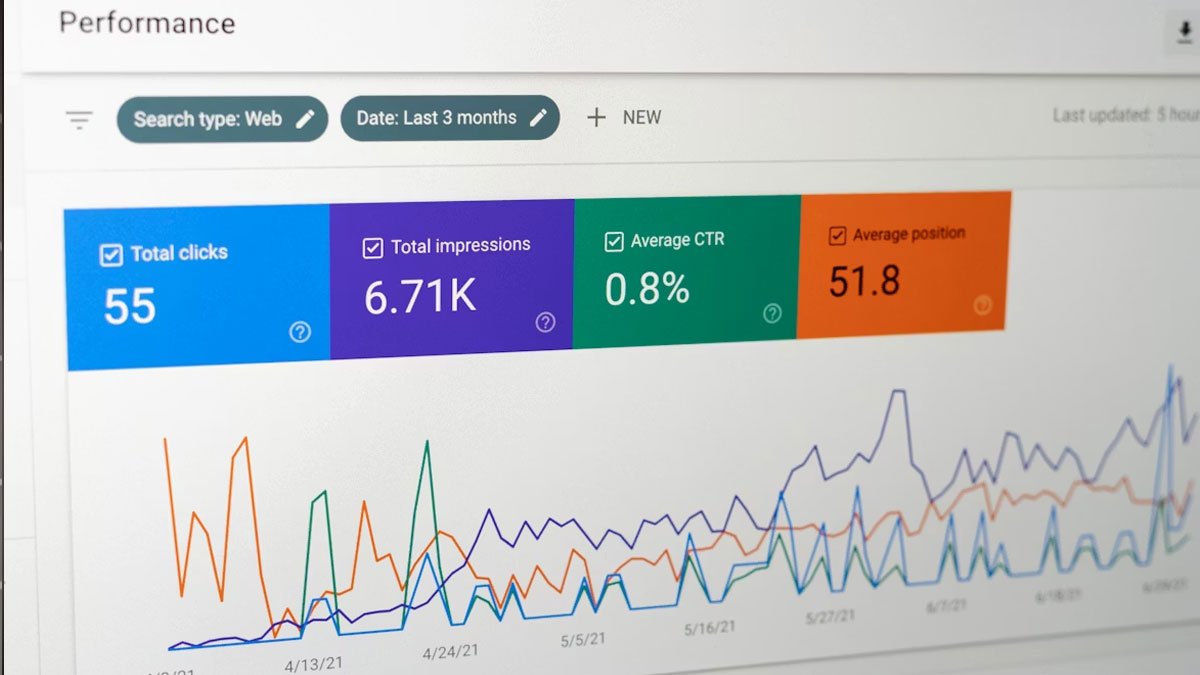
Your website gets traffic, but it doesn’t generate leads.
People visit. They click around. Some even stay for a while. But very few take action. No enquiries. No calls. No consistent flow of opportunities.
At first, it feels like a marketing issue. Then maybe a design issue. Eventually, it starts to feel like something is wrong with the website itself.
So you consider a redesign. Or a new website altogether.
But before you do that, you need to understand something important.
In most cases, the website is not the real problem.
In most SMEs, the business website is expected to do too much on its own.
It’s built, launched, and then left to “generate leads” without any real system behind it. The assumption is simple: if the website looks good and gets traffic, it should produce results.
That assumption is wrong.
A website does not generate leads by itself. It only creates the opportunity for a lead to happen.
What actually determines results is what happens around the website. How visitors are guided, how actions are structured, and how enquiries are handled.
When those elements are missing, even a well-designed website will underperform.
This is why many businesses end up stuck in a loop of redesigns. They change the look, adjust the layout, improve the visuals—but the results stay the same.
Because the structure hasn’t changed.
If you look closely at how most business websites operate, the pattern is consistent.
A visitor arrives, often from Google or social media. They land on a page, scan the content, and try to understand what the business does. If the message is not immediately clear, they leave.
If they stay, they might click to another page. Maybe they check services. Maybe they look at pricing. At some point, they decide whether to take action or not.
This is where most websites fail.
The path forward is not obvious. The next step is not clear. The website does not guide the visitor toward a decision. It simply presents information and waits.
Even when a visitor does take action and fills in a form, the process that follows is rarely structured. The enquiry goes into an inbox. Someone sees it later. A response is sent when there is time.
By that point, the moment is gone.
Leads are not lost because there is no interest. They are lost because there is no system.
Most business owners respond to poor website performance in the same way.
They assume something is wrong with the website design or the website development. So they invest in a better layout, cleaner visuals, or a more modern build.
Those improvements can help, but only at the surface level.
If the underlying structure remains the same, the outcome will remain the same.
This is the key shift.
You don’t fix a website by redesigning it.
You fix it by understanding how it fits into the way your business operates.
A business website should not be treated as a standalone asset.
It should be treated as part of a system.
Its role is simple. It captures attention and turns it into opportunity. That opportunity must then move through a structured process that leads to a result.
If that process is missing, the website becomes a dead end.
When you look at your website through this lens, the focus changes. You stop asking whether the design is good and start asking whether the flow works.
You start looking at how visitors move, what they see, what they do, and what happens next.
That is where performance is decided.
A high-performing business website behaves very differently from a typical one.
It communicates clearly from the first few seconds. The visitor understands what the business does, who it helps, and why it matters.
It removes friction. There is no confusion about what to do next. The path forward is obvious, simple, and easy to follow.
It responds quickly. When someone takes action, the system captures that enquiry and moves it forward without delay.
It supports decision-making. The business can see what is working, what is not, and where improvements should be made.
From the outside, it looks simple.
From the inside, it is structured.
That structure is what most websites lack.
When a website is not generating leads, the issue usually sits in one of three areas.
The first is clarity. The message is not strong enough. Visitors do not immediately understand what the business offers or why they should care.
The second is flow. The website does not guide users toward a clear action. It presents information, but it does not lead.
The third is what happens after the action. Even when a lead is captured, there is no system to handle it properly.
These issues are not design problems. They are structural problems.
And they all point to the same thing.
A weak digital foundation.
Fixing a website that is not generating leads does not start with design.
It starts with understanding.
You need to look at how your website fits into your business and where the breakdown happens.
Follow a real visitor journey. From the moment they land on your website to the moment they either take action or leave. Where do they hesitate? Where do they drop off? Where does the process slow down?
Once you see that clearly, the next step is to create structure.
You define how the website guides users. You make the next step obvious. You remove unnecessary friction.
Then you connect what happens after the website. Leads should not sit in inboxes. They should move into a system that handles them consistently and quickly.
Only after that does design and development become relevant.
Because now, the website has a purpose.
When the structure behind your website is right, the difference is immediate.
Visitors understand your offer faster. More of them take action. Enquiries are handled quickly and consistently.
You start to see patterns. Which pages work. Which messages convert. Where improvements can be made.
The website becomes predictable.
It stops being something you hope will work and becomes something you can rely on.
That is the point where a website turns into a business asset.
If your website is not generating leads, the worst thing you can do is assume it needs another redesign.
In most cases, that will not fix the problem.
The smarter move is to understand how your website actually operates within your business and where it breaks down.
A Digital Foundation Audit gives you that clarity. It shows you how your website, your processes, and your systems work together—and where they don’t.
From there, the path becomes clear.
If you want to go deeper, a discovery call allows us to walk through your setup and identify what needs to change.
No assumptions. No guesswork.
Just a clear view of what’s holding your website back—and how to fix it.