Serviciu clienți
Telefon: +44 20 7183 8739
Program: Luni–Vineri, 9:00–17:00
E-mail: office@zylarisgroup.com

Pornirea unui magazin online este ușoară. Construirea unuia care generează vânzări constante este mult mai dificilă. Acest ghid explică cum să creezi un sistem de comerț electronic conectat cu structura, fluxul de finalizare a comenzii, automatizarea și operațiunile potrivite pentru a susține creșterea afacerii pe termen lung.

Starting an online store has never been easier.
You can choose a platform, upload products, connect Stripe or PayPal, and technically be “open for business” within a few hours.
That’s exactly why so many ecommerce stores fail.
The internet is full of stores that look decent but never generate consistent sales. Business owners spend money on logos, themes, plugins, and ads… then slowly realise that traffic alone does not create revenue.
A successful online store is not just a website with products.
It is a connected business system designed to:
This is where most businesses break.
This guide explains how to start an online store properly — not just launch one.
This is the biggest mistake most people make.
They immediately start thinking about:
But none of those things matter if the business structure behind the store is weak.
Before building anything, you need clarity on:
Most online stores fail because they are built like design projects instead of sisteme de afaceri.
There are many ecommerce platforms available:
Each has strengths and weaknesses.
The mistake is believing the platform itself guarantees success.
It does not.
A poorly structured Shopify store still fails.
A disconnected WooCommerce setup still creates chaos.
The platform is simply the foundation.
The real success comes from how the ecommerce system is built around it.
For most SMEs:
The best option depends on:
Cele mai multe ecommerce stores are built around what the owner likes.
Successful ecommerce stores are built around how customers behave.
This is a major difference.
Your online store should make buying feel:
Customers should instantly understand:
That means:
Good ecommerce design is not decoration.
It is movement.
Cel/Cea/Cei/Cele website should guide visitors naturally toward purchase.
Your product pages are your sales team.
Weak product pages quietly destroy conversion rates every day.
Many businesses either:
High-converting product pages include:
The goal is to reduce hesitation.
Confused customers do not buy.
This is where many ecommerce businesses lose money.
A complicated checkout process destroys sales.
Common mistakes include:
Customers want speed and simplicity.
A strong ecommerce checkout should include:
Even small checkout improvements can dramatically increase revenue.
This is where many businesses begin experiencing operational stress.
As orders increase, manual systems collapse.
Without connected inventory and order management:
Your ecommerce store should connect directly with:
Disconnected systems create chaos very quickly.
This is why ecommerce should be approached as infrastructure — not just web design.
Most online stores focus entirely on getting new customers.
Very few focus properly on retaining existing ones.
This creates constant dependence on advertising spend.
A properly structured ecommerce store includes automation such as:
Automation increases:
Without it, growth becomes difficult to sustain.
Many ecommerce businesses operate blindly.
They do not know:
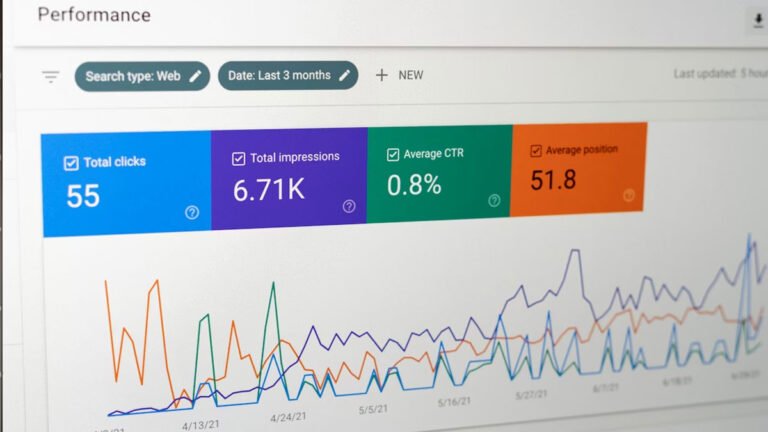
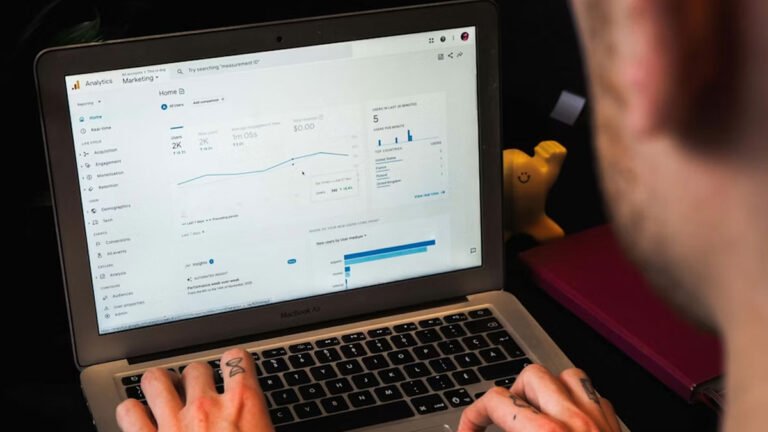
Without analytics, business decisions become guesswork.
Your ecommerce store should include:
Data creates clarity.
Clarity improves decisions.
Better decisions increase revenue.
Cele mai multe ecommerce websites are only built for launch day.
Very few are built for scale.
As the business grows:
Weak systems begin collapsing under pressure.
A properly built ecommerce store should support:
This is where strategic ecommerce infrastructure becomes critical.
Most ecommerce stores fail because they are built backwards.
Businesses focus on:
În loc de:
Cel/Cea/Cei/Cele website itself is not the business.
The system behind the website is the business.
At Zylaris, we build ecommerce systems designed for long-term business growth.
That means:
We do not just build online stores.
We build digital infrastructure that helps businesses:
Starting an online store properly means thinking beyond design.
A successful ecommerce business requires:
When ecommerce is approached correctly, the website becomes more than a storefront.
It becomes a revenue engine.
If you are planning to launch an online store — or your current ecommerce setup is underperforming — the first step is understanding where the system is weak.
👉 Get Your Free Ecommerce Audit
👉 Programează un apel de descoperire