Customer Service
Telefon: +44 20 7183 8739
Program: Mon–Fri, 9:00–17:00
Email: office@zylarisgroup.com

Most SMEs rely on manual processes that slow them down. This article shows why manual work kills growth—and how to replace it with real systems.
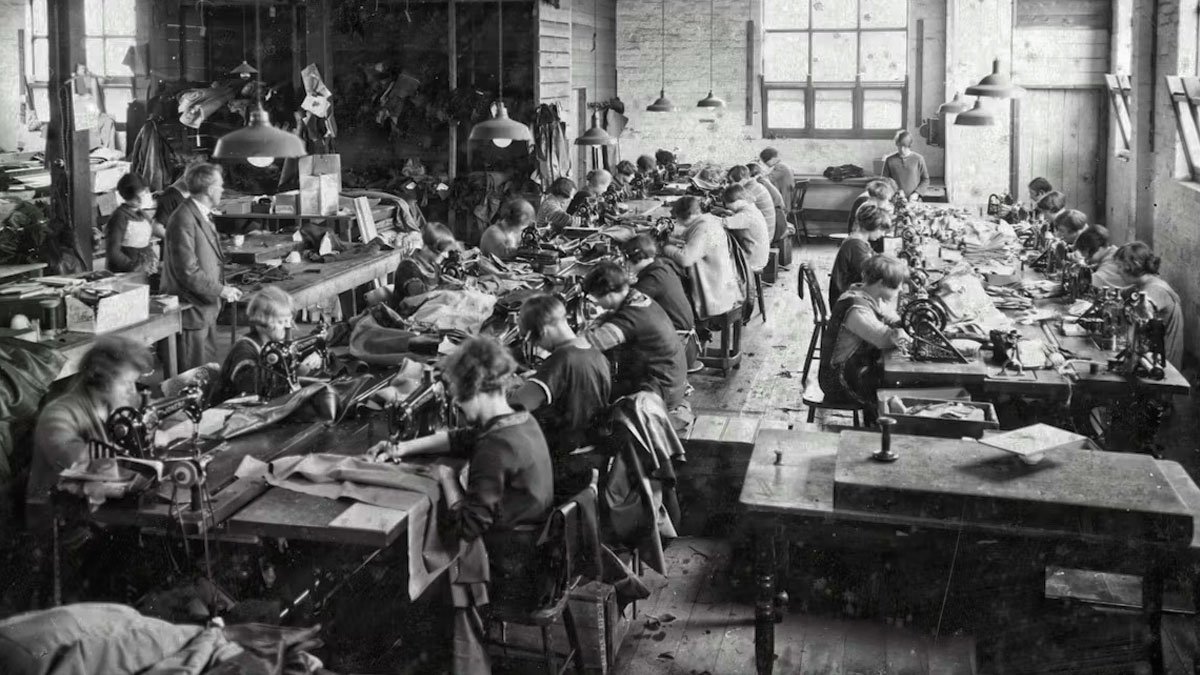
Most businesses don’t realise how much manual work slows them down.
At first glance, everything looks fine. Teams send emails, complete tasks, and serve clients. Activity is constant.
However, a closer look reveals a different picture. People repeat the same actions every day. They enter the same information multiple times. They rely on memory to follow up.
That is not productivity.
That is inefficiency repeating itself.
In the early stages, manual processes in business feel natural. You respond to leads yourself. You track activity in spreadsheets. You manage tasks as they come.
This approach works when volume is low.
As the business grows, pressure builds. More leads arrive. More clients need attention. More tasks compete for time.
At that point, the process should evolve.
Instead, most businesses keep the same approach.
That’s when manual work turns into a bottleneck.
Manual work often looks like effort.
People stay busy. They reply to emails, update systems, chase information, and organise tasks. The day feels full.
Still, most of that effort does not create new value. It simply maintains existing activity.
Because of this, the business consumes time without increasing output.
Growth slows down without an obvious reason.
Look closely at daily operations.
Teams write the same emails again and again. They explain the same onboarding steps to every new client. They answer the same internal questions repeatedly.
Nothing gets captured. Nothing gets standardised.
As a result, the business solves the same problems every day instead of removing them.
That pattern keeps the business stuck.
Manual processes introduce risk.
Each task depends on attention and accuracy. As workload increases, the chance of mistakes rises.
Someone misses an email. Someone enters the wrong detail. Someone forgets a step.
At low volume, these issues stay manageable.
At scale, they multiply.
Quality drops, even when the team works harder than ever.
Speed wins in business.
Fast responses secure opportunities. Delays lose them.
Manual work makes speed inconsistent.
One lead gets an immediate reply. Another waits for hours. A third receives no response at all.
This inconsistency creates missed opportunities.
Over time, it damages performance.
As the business grows, manual work increases.
More leads require more responses. More clients require more coordination. More tasks require more attention.
Without structure, every new opportunity adds pressure.
The team works harder, but results do not scale at the same rate.
That’s when growth starts to feel heavy.
Manual work is not the root problem.
The real issue is the lack of a system.
Without defined processes, people fill the gaps. They react, improvise, and manage tasks as they appear.
This creates dependency.
The business relies on individuals instead of structure.
That dependency limits growth.
Once structured systems replace manual processes, everything shifts.
Work follows a defined flow instead of repetition. A lead triggers a response immediately. A deal moves through stages without manual updates. A client starts onboarding without delays.
Because of this, consistency improves.
Speed increases.
Errors decrease.
Time becomes available for higher-value work.
Many businesses try to fix manual work by adding software.
They introduce new tools, platforms, and integrations.
Without structure, these additions create confusion.
Automation works only when the process is clear.
Define how the business should operate first.
Then use tools to support that structure.
Otherwise, you automate inefficiency.
Start by observing how the business operates today.
Identify where repetition happens. Look for tasks that depend on memory. Notice where delays occur.
These patterns reveal inefficiency.
Next, define what should happen instead.
A lead enters the system and triggers a response. A client signs and onboarding begins immediately. A task appears and gets assigned without manual effort.
Each step removes friction.
Over time, the business shifts from reaction to flow.
Once manual work decreases, the business changes.
The team spends less time on repetitive tasks. They focus more on improving outcomes.
Opportunities move faster. Clients experience consistency. Operations become predictable.
Growth no longer creates pressure.
It creates leverage.
Manual work creates the illusion of productivity.
In reality, it slows everything down.
It introduces inconsistency. It increases errors. It limits scale.
Businesses that grow do not rely on effort alone.
They remove repetition. They define structure. They build systems that run without constant input.
That’s the difference.
Start with a Digital Infrastructure Audit and identify where manual processes are slowing you down.