Customer Service
Telefon: +44 20 7183 8739
Program: Mon–Fri, 9:00–17:00
Email: office@zylarisgroup.com

Your ecommerce store may look amazing, but that doesn’t guarantee sales. Visitors leave, carts are abandoned, and repeat customers never return. Learn why most ecommerce websites fail and how to fix the systems behind them to boost revenue.
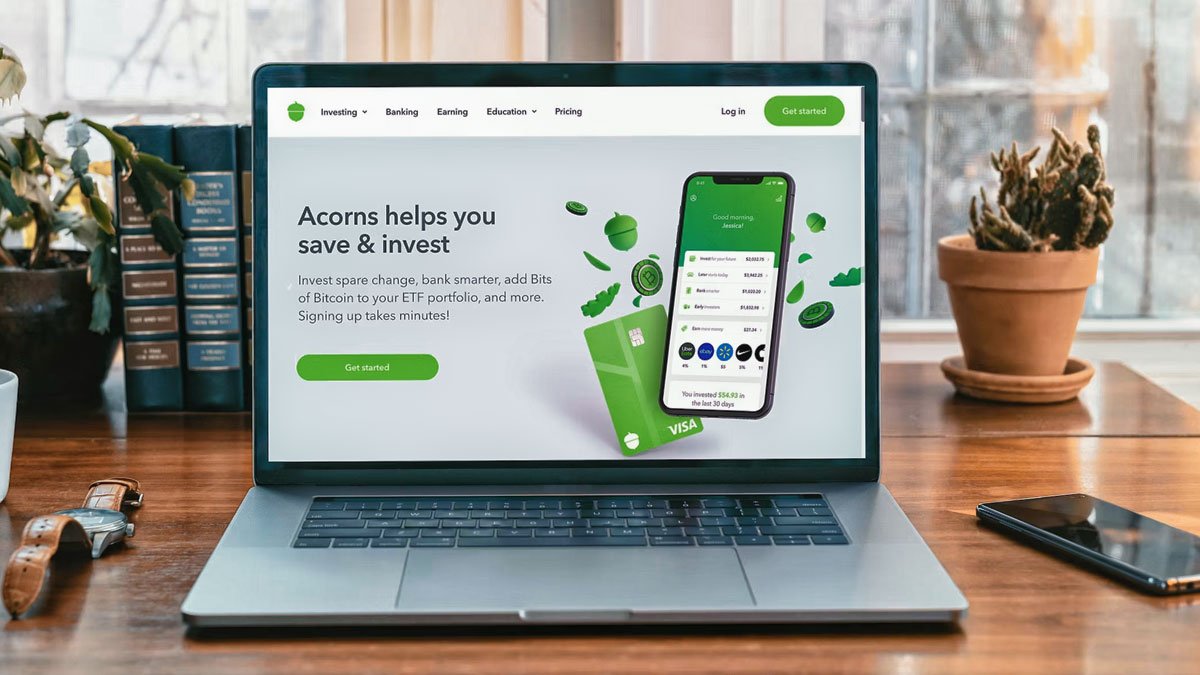
You invested time, money, and effort into your ecommerce website. It looks professional, your product pages are clean, and the design is modern. Yet, sales aren’t coming in. Traffic exists, but conversion is low. Visitors leave, carts are abandoned, and repeat business is scarce.
The problem isn’t your design. It’s your ecommerce system, and until that is fixed, your beautiful website will continue to underperform.
Most business owners assume that a visually appealing website is enough to drive revenue. In reality:
A stunning website is only the surface — the system behind it determines sales.
In ecommerce, beauty alone cannot fix these recurring problems:
Even a small delay, multiple steps, or mandatory account creation can make customers abandon their carts.
Without automated recovery, lost sales often never return.
If stock levels, orders, and fulfillment are scattered across multiple platforms, mistakes happen, and customers get frustrated.
Without analytics and reporting, you can’t see which products, pages, or flows are underperforming.
A broken ecommerce system affects revenue, reputation, and growth:
Even if your website looks perfect, these gaps silently drain your sales.
A high-performing ecommerce store is more than just a website. It’s a system built to convert, retain, and scale.
When these layers work together, your website stops being a static store and starts being a revenue-generating machine.
Even small businesses can see significant improvements by addressing the right areas:
These actions transform a “good-looking website” into a high-performing ecommerce store.
A mid-sized home decor retailer had a beautifully designed Shopify site but struggled with 1% conversion. Issues included:
After Zylaris implemented a connected system with automated follow-ups and analytics:
Use these to attract high-intent visitors:
This ensures your content drives traffic from people already looking to solve these problems.
“My site looks great — why change anything?”
“I already use Shopify/WooCommerce.”
“This sounds expensive.”
Start by assessing your store with a Free Ecommerce Audit:
Once you know the gaps, you can implement solutions that turn your website into a high-converting ecommerce system.
A beautiful website alone cannot drive sales. Ecommerce success depends on a connected, optimized, and automated system.
If your store isn’t generating revenue despite traffic, it’s time to look beyond the design and focus on fixing the system — the real engine behind conversions.