Customer Service
Telefon: +44 20 7183 8739
Program: Mon–Fri, 9:00–17:00
Email: office@zylarisgroup.com

Professional website design should support lead generation and business growth—not just visuals. Discover what most agencies get wrong.

Search for “professional website design” and you’ll see the same promises everywhere.
Modern layouts. Stunning visuals. Creative experiences. Award-winning design.
Everything sounds impressive.
But here’s the uncomfortable truth.
Many professionally designed websites still fail to generate leads, support growth, or improve business performance.
Because most agencies focus on how the website looks.
Not on how the website works inside the business.
In the website industry, “professional” usually refers to presentation.
Clean design. Strong branding. Smooth animations. Polished visuals.
Those things matter.
But they do not automatically improve conversion, lead generation, or operational flow.
A website can look extremely professional and still underperform commercially.
This is where many businesses get disappointed.
The website wins compliments but fails to generate consistent results.
In most SMEs, the process follows the same pattern.
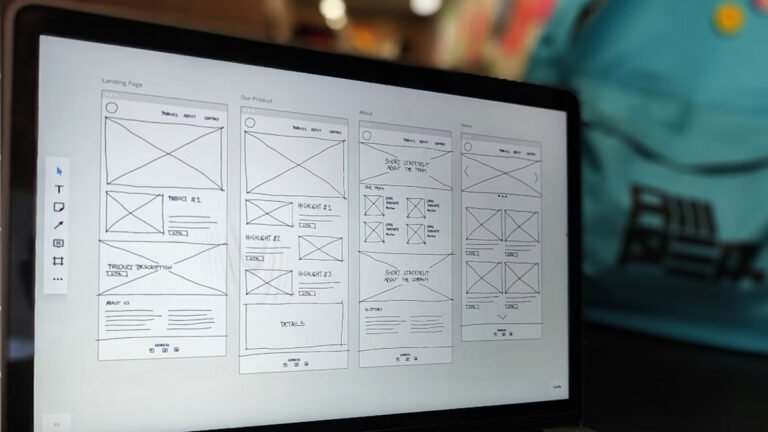
The agency presents mockups, design concepts, and visual ideas. The business approves the direction. Development begins.
Eventually, the new website launches.
At first, everyone feels optimistic.
The website looks cleaner, more modern, more “premium.”
But after a few months, reality returns.
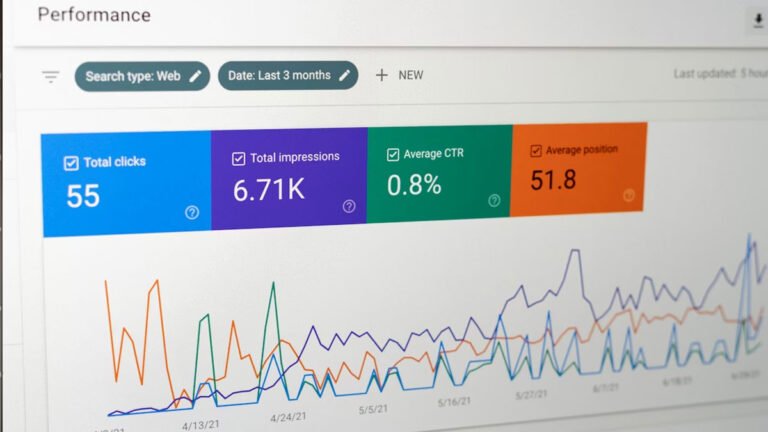
Traffic doesn’t convert consistently. Enquiries remain unpredictable. The business still struggles with lead flow.
That’s when the problem becomes obvious.
The agency improved the appearance, but not the structure.
Most web agencies operate as creative providers.
Their focus is:
Very few focus deeply on:
This creates a disconnect.
The website becomes a design project instead of a business tool.
And when that happens, performance suffers.
A professional website should do more than look impressive.
It should support how the business grows.
That means:
This is what separates surface-level design from strategic website infrastructure.
A beautiful website attracts attention.
An effective website creates outcomes.
That difference matters more than most businesses realise.
Visitors don’t stay because a website looks modern.
They stay because they quickly understand:
Clarity beats decoration every time.
The biggest issue is usually not design quality.
It’s overdesign.
Too many effects. Too many sections. Too much focus on creativity instead of clarity.
The website becomes visually impressive but operationally weak.
Visitors hesitate because the flow is unclear.
Actions feel disconnected. The path toward enquiry becomes complicated.
This is where conversion drops.
Many agencies try to impress.
But businesses need websites that perform.
Simple websites often convert better because they remove confusion.
The message is direct. The structure is focused. The next step is obvious.
Visitors don’t need an experience.
They need clarity and confidence.
This is why simplicity consistently outperforms complexity in SME websites.
A professional business website should create structure.
From the first interaction, the visitor should understand the offer clearly.
The website should guide users naturally toward action.
Behind the scenes, enquiries should move into systems that support follow-up and lead management properly.
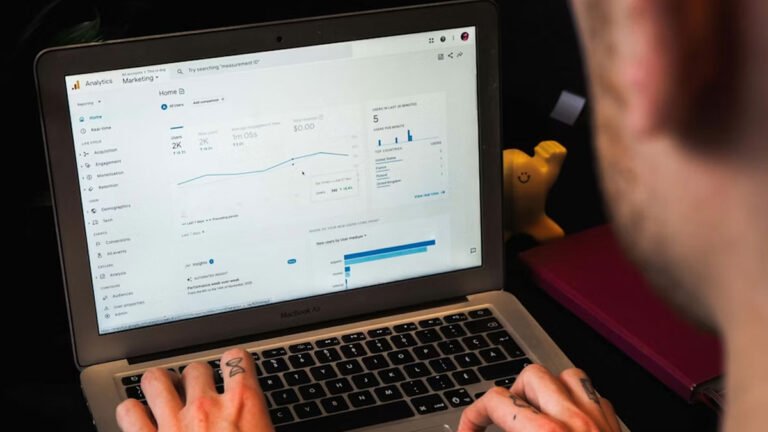
The business should gain visibility into what works and where opportunities are being lost.
This is what professionalism actually looks like in practice.
The biggest improvement happens when businesses stop treating websites as creative projects.
And start treating them as infrastructure.
Your website should connect to:
When design supports this structure, the website becomes part of growth—not just marketing.
This is where real performance begins.
When professional website design focuses on structure instead of appearance alone, results improve naturally.
Visitors engage more because the website feels clear and easy to navigate.
More people take action because the flow supports decision-making.
Leads are handled more efficiently because systems connect properly.
The business gains consistency, visibility, and control.
The website stops being decorative.
It becomes operational.
If you are considering professional website design, don’t focus only on visuals.
Focus on whether the website will actually support your business.
A Digital Foundation Audit helps identify how your website should support lead generation, operations, and growth before design work begins.
From there, the right structure becomes clear.
If you want to explore this directly, a discovery call allows us to review your current setup and identify what needs to improve.
No assumptions. No agency jargon.
Just clarity on what actually works.