Customer Service
Telefon: +44 20 7183 8739
Program: Mon–Fri, 9:00–17:00
Email: office@zylarisgroup.com

Most online stores look good but fail behind the scenes. We design structured eCommerce infrastructure connecting your store, CRM, automation, payments, and operations — built for businesses that want to scale.
Shopify • WooCommerce • CRM • Automation • Payments • Conversion • Integrations • Infrastructure
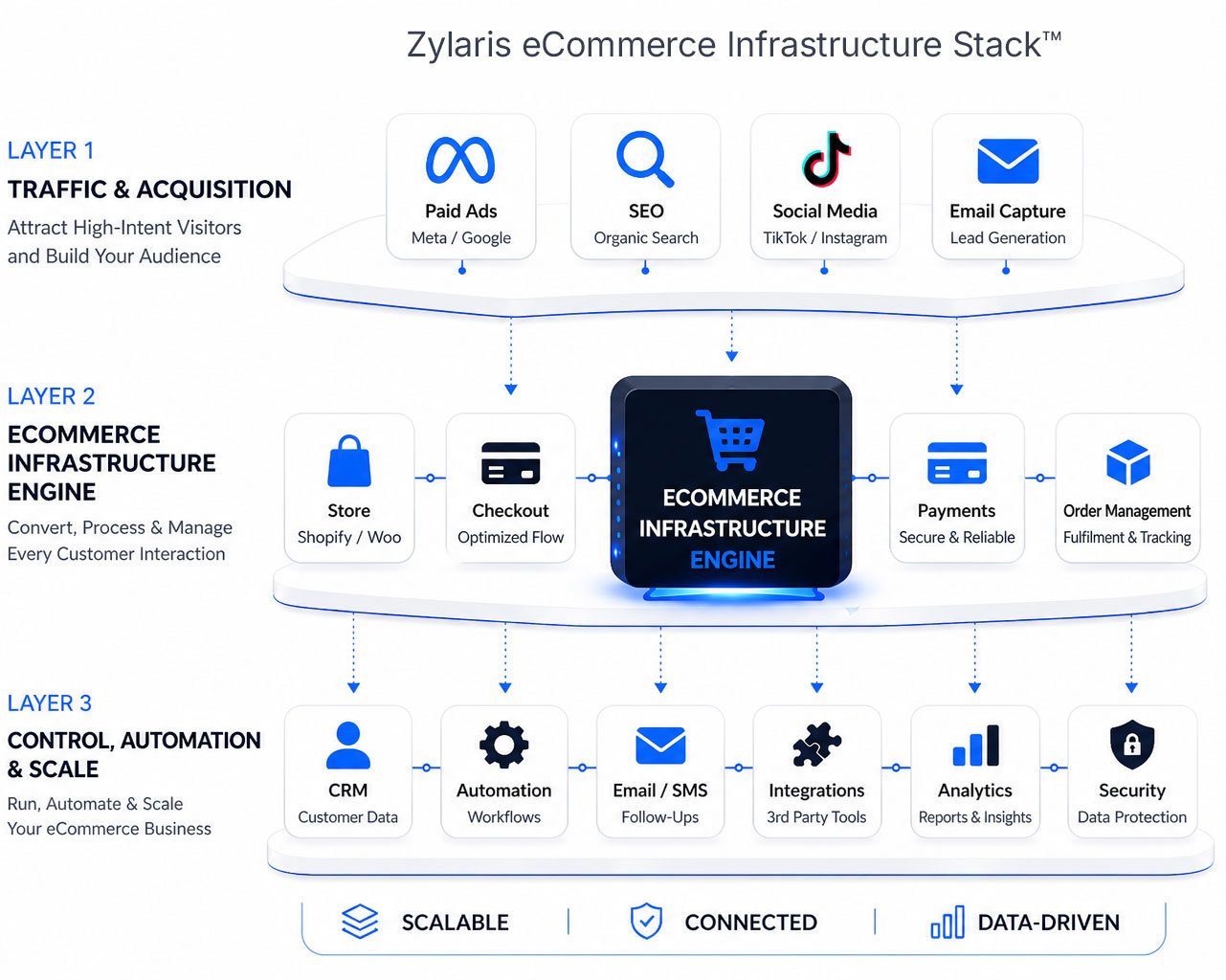
Most eCommerce businesses do not collapse because the website is ugly. They struggle because the moving parts behind the store are disconnected.
Visitors land on the store, browse products, then leave. The business keeps paying for traffic without understanding where the conversion flow breaks.
Orders happen, but there is no structured retention system. No lifecycle flow, no proper segmentation, no reliable way to bring customers back.
The store, CRM, email platform, payment gateway, analytics, and fulfilment process all operate in fragments. Data exists, but it does not create control.
Reports are incomplete. Decisions are based on guesswork. The business cannot clearly see what is working, what is leaking money, or what needs fixing first.
More traffic means more errors. More orders mean more manual work. Instead of scaling smoothly, the business becomes harder to manage.
It is a system failure. Until the infrastructure is connected, revenue will keep leaking through the gaps.
The way online businesses grow in 2026 is fundamentally different. What worked before is no longer enough. The businesses that win today are built on systems, not just stores.
An eCommerce website is no longer the business. It is only one part of a larger system that generates, manages, and scales revenue.
Customer acquisition costs continue to rise. Businesses that win are those that maximise lifetime value through retention and automation.
Automation, data, and AI-driven workflows are replacing manual processes, allowing businesses to operate faster and with more control.
Modern eCommerce runs on multiple tools working together — store, CRM, payments, and automation — not a single platform.
Speed, mobile experience, and checkout flow are no longer technical details. They directly determine conversion and profitability.
Businesses that control their customer data and systems have a major advantage over those relying only on platforms and third-party tools.
The conclusion is simple:
If your systems are not connected, your eCommerce business cannot scale.
Most eCommerce businesses try to fix growth by improving the store. But revenue is lost in the gaps between traffic, checkout, CRM, automation, payments, and operations.
This is where most agencies stop. The store may look better, but the business still operates with disconnected systems.
A good-looking store is not enough. The real question is whether visitors move smoothly from landing page to product page, checkout, payment, and post-purchase follow-up.
One sale is not the full value of a customer. Zylaris structures retention flows, email automation, segmentation, and repeat-purchase systems.
Your store, CRM, payment gateway, analytics, and automation should not operate separately. They should share data and support one clear operating model.
Growth needs clear reporting. Zylaris helps create visibility across traffic, conversion, retention, operations, and infrastructure performance.
We design and build the infrastructure behind your eCommerce business — so your store, customers, data, automation, and operations work as one system.
Zylaris connects the moving parts behind your online business, so your store, customers, automation, payments, and operations work together instead of separately.
eCommerce website, landing pages, SEO structure, product visibility, conversion tracking, and campaign-ready pages.
CRM, customer lifecycle management, email/SMS automation, retention workflows, order processes, and business dashboards.
Hosting, performance optimisation, payment integrations, APIs, security, monitoring, backups, and scalable infrastructure.
Different business models require different systems. Zylaris adapts your digital infrastructure to how your business actually sells, operates, and grows.
For brands selling products directly to customers through online stores, social campaigns, and paid traffic.
For wholesalers, suppliers, manufacturers, and trade businesses that need structured ordering and client management.
For businesses selling memberships, repeat deliveries, product boxes, or recurring digital and physical offers.
For businesses selling through Amazon, eBay, Etsy, or other platforms while needing more control over customer data.
For brands selling through TikTok, Instagram, Facebook, and creator-led funnels where discovery happens before search.
For retail shops, local businesses, and product-based SMEs combining physical operations with online sales.
Disconnected systems limit growth. The store, CRM, payments, automation, and reporting need to work together as one digital infrastructure.
We follow a clear, structured process to transform your eCommerce setup into a connected system that generates, manages, and scales revenue.
We analyse your current store, tools, and processes to identify conversion leaks, system gaps, and missed opportunities.
We design your full eCommerce infrastructure — mapping how your store, CRM, automation, payments, and operations connect.
We build and connect your systems, ensuring everything works together as one operational model.
Once the system is live, we improve performance, automation, and conversion to support long-term growth.
The result:
A structured eCommerce system that gives you control, visibility, and the ability to scale without breaking your operations.
Examples of how structured eCommerce systems improve conversion, retention, operations, and visibility — turning online stores into scalable revenue systems.
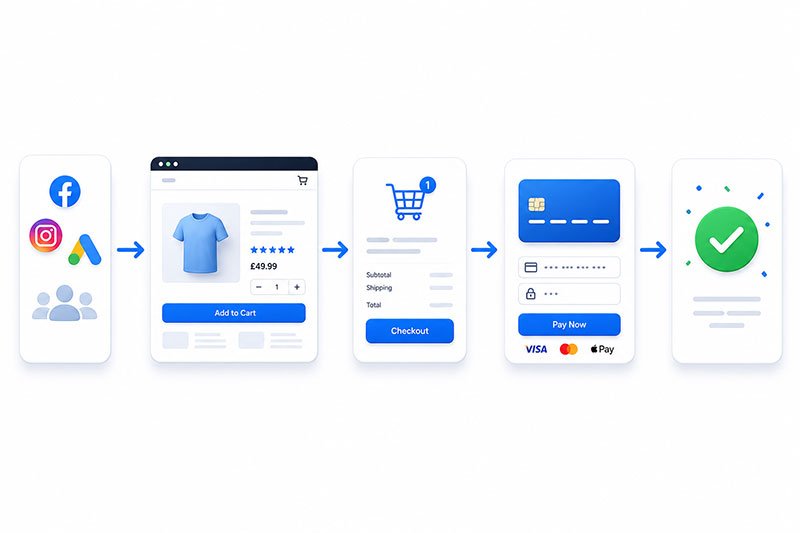
Structured product pages, checkout flow, tracking, and funnel improvements designed to reduce friction.
Result: more visitors become paying customers.
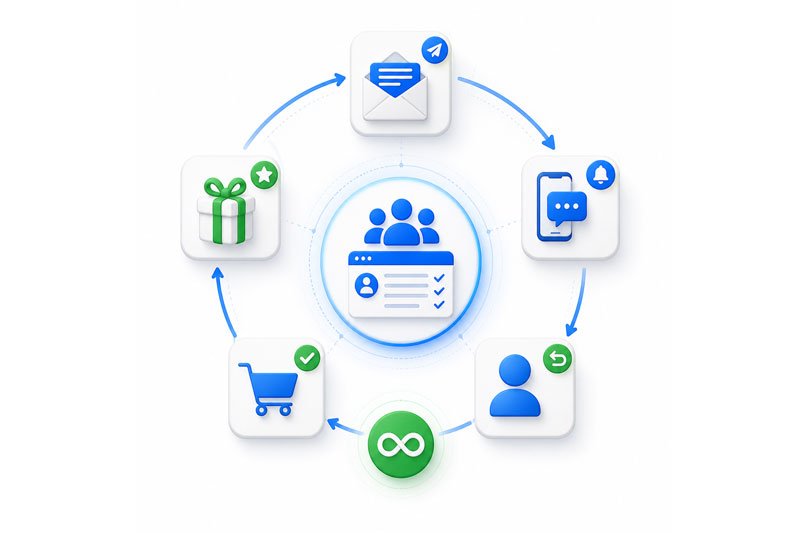
Email, SMS, segmentation, abandoned cart, post-purchase, and win-back flows connected to customer behaviour.
Result: customers return instead of disappearing after one order.
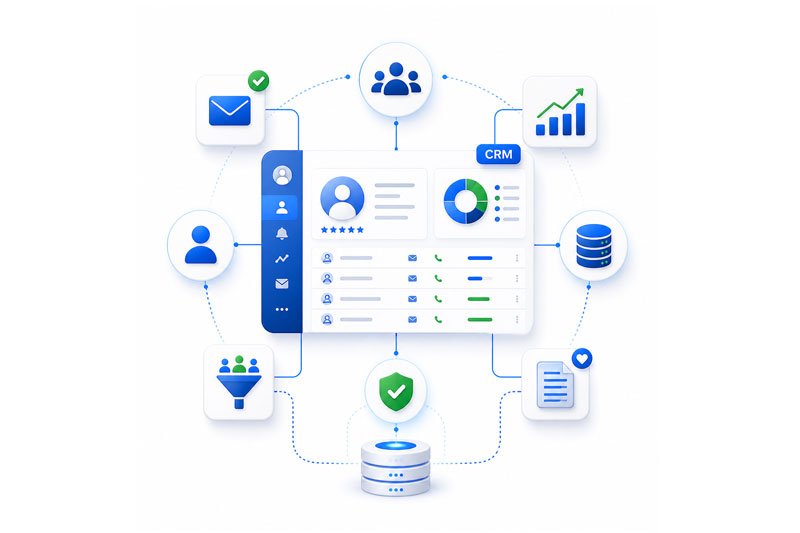
Customer data structured inside CRM and connected with orders, enquiries, campaigns, and follow-up activity.
Result: better decisions based on real customer behaviour.
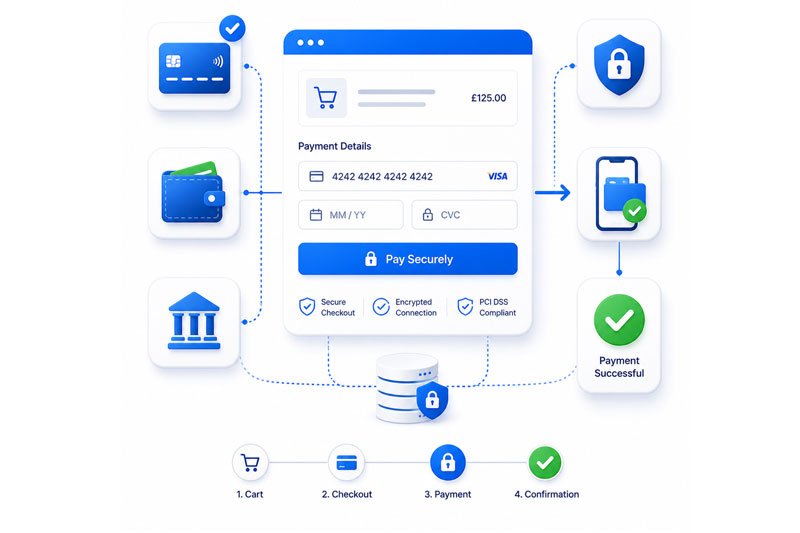
Payment gateways, checkout steps, transaction flow, and order confirmation structured for smoother buying.
Result: fewer abandoned carts and reduced payment friction.
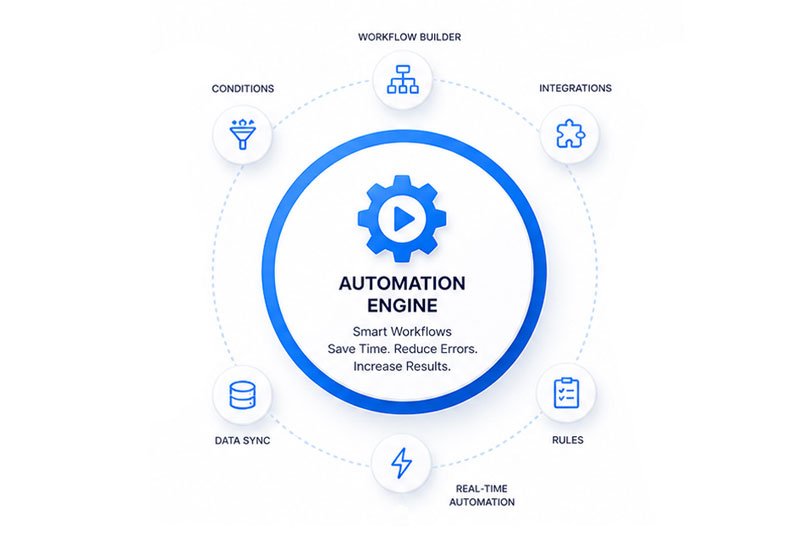
Automated follow-ups, internal notifications, customer journeys, task triggers, and operational workflows.
Result: fewer manual tasks and faster response across the business.
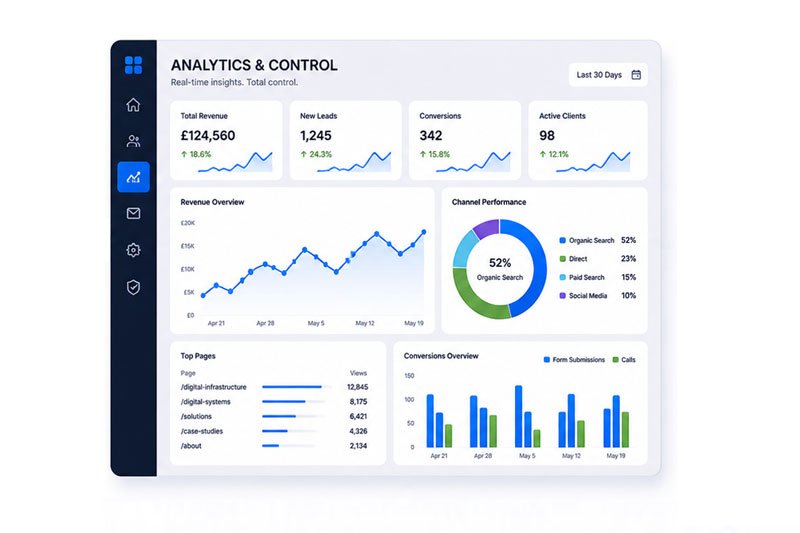
Dashboards and tracking connected across traffic, conversion, revenue, customer behaviour, and system performance.
Result: clearer decisions and stronger operational control.
Explore strategies across websites, systems, automation, and infrastructure
— designed to help your business grow with clarity and control.
A slow website silently kills growth for small businesses. Even with good design and traffic, visitors…
Visitors often arrive on a small business website but leave without taking any action. High bounce…
Small business websites often fail to convert visitors. Discover 5 common website mistakes that kill lead…
Small business website not converting? Discover why most SMEs fail to generate leads and how to…
Choosing a website agency? Discover what actually matters before hiring—and why most agencies still fail to…
Professional website design should support lead generation and business growth—not just visuals. Discover what most agencies…
Looking for website development services? Discover what actually works for SMEs—and why structure matters more than…
Looking for a website designer? Discover what actually matters before hiring—and why design alone won’t generate…
Clear answers before building your eCommerce digital infrastructure.
Whether you are launching or improving an eCommerce business, the first step is understanding how your store, customers, automation, and systems need to be structured properly.
No pressure. No obligation. Just a clear view of where your eCommerce system is losing revenue and what needs to be fixed to scale.